Cervical Spondylosis
Cervical Spondylosis
Cervical Spondylosis
Cervical Spondylosis Treatment – Complete Care for Long-Term Relief
Cervical spondylosis, commonly known as cervical pain or neck arthritis, has become one of the most frequent spine-related problems affecting people of all ages. Whether caused by lifestyle habits, long sitting hours, poor posture, or age-related degeneration, cervical pain can severely impact your daily life. If you are looking for effective, non-surgical, and long-lasting cervical spondylosis treatment, you are at the right place.
Our center provides advanced, personalized care for cervical pain, combining physiotherapy, spine rehabilitation, and modern therapeutic methods to ensure long-term recovery. With years of experience, expert diagnosis, and thousands of successful patient outcomes, we ensure that you get relief safely and naturally.
If you are searching for the best doctor for cervical pain, our specialized team is committed to delivering the highest level of care for your neck health.
What Is Cervical Spondylosis?
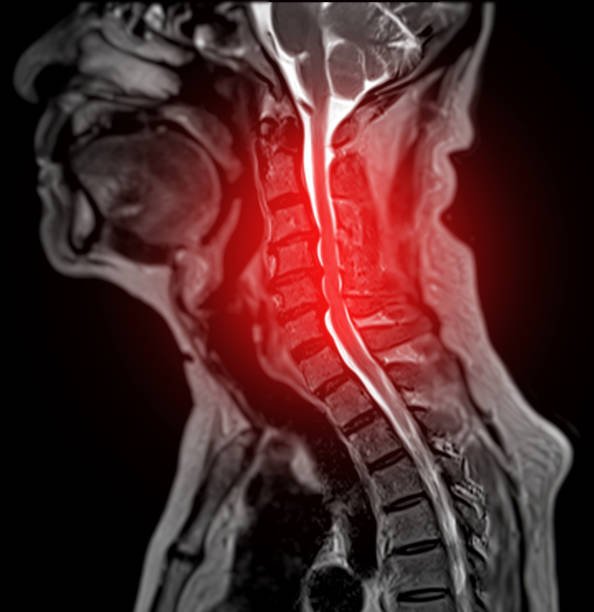
Cervical spondylosis is a condition where the bones, discs, and joints of the neck slowly wear down due to age or stress. Over time, these changes can cause pain, stiffness, nerve compression, and reduced mobility. It usually affects people aged 30 and above, but due to mobile and laptop use, even younger people experience cervical issues.
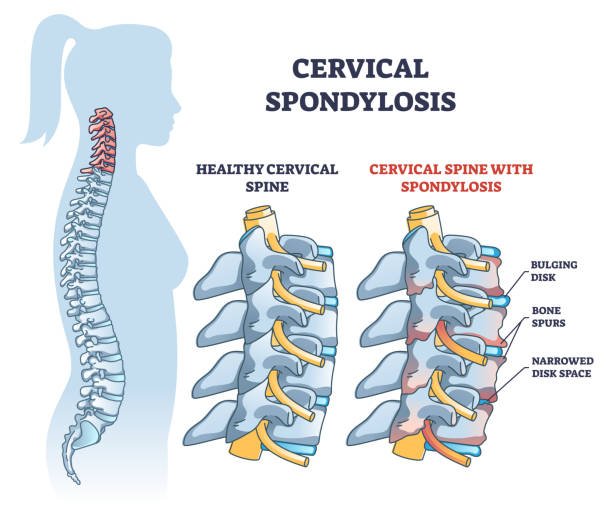
Cervical spondylosis may develop due to:
- Degeneration of cervical discs
- Bone spur formation
- Weak neck muscles
- Poor posture habits
- Disc bulge or herniation
- Nerve compression
- Sedentary lifestyle
Understanding the root cause is the most important step for effective cervical spondylosis treatment.
Common Symptoms of Cervical Spondylosis
Cervical symptoms vary depending on the severity of the condition. Some people experience mild stiffness, while others may suffer from severe nerve compression symptoms. Common signs include:
- Persistent neck pain
- Stiffness in the neck and shoulders
- Pain radiating to the arms
- Tingling or numbness in the hands
- Muscle weakness
- Headaches starting from the back of the head
- Restricted neck movement
- Vertigo or dizziness (in severe cases)
- Difficulty holding objects or gripping
If you notice these symptoms, it is essential to consult the best doctor for cervical pain for early diagnosis and treatment.
Causes of Cervical Pain and Spondylosis
Cervical pain can occur due to multiple lifestyle and physical factors. Some of the major causes include:
1. Poor Posture
Sitting for long hours with a bent neck or slouching can strain the cervical spine, causing disc pressure and muscle tightness.
2. Long Mobile and Laptop Usage
“Text neck” has become extremely common due to constantly looking down at screens.
3. Lack of Physical Activity
Weak neck and upper-back muscles fail to support the spine properly, leading to cervical degeneration.
4. Degenerative Changes
As we age, cervical discs naturally become thinner and lose hydration, causing spondylosis.
5. Injury or Trauma
Sudden jerks, whiplash injuries, or accidents can damage cervical structures.
6. Occupational Stress
Jobs that require continuous sitting, driving, or repetitive neck movements increase strain.
Understanding the exact cause helps achieve accurate and successful cervical spondylosis treatment.
Frequently Asked Questions (FAQ)
The most effective cervical spondylosis treatment is physiotherapy. It helps reduce pain, improve neck mobility, release muscle stiffness, and strengthen the cervical spine for long-term relief.
Recovery time depends on the severity of the condition. Mild to moderate cervical pain usually improves within 2–4 weeks with regular treatment, while chronic cases may take longer and require a structured rehabilitation program.
Yes, many patients achieve long-term or permanent relief through proper posture correction, strengthening exercises, ergonomics, and a customized cervical spondylosis treatment plan provided by a specialist.
In most cases, surgery is not required. More than 90% of patients recover through non-surgical methods such as physiotherapy, traction, manual therapy, and targeted exercises.
For accurate diagnosis and effective recovery, you should consult the best doctor for cervical pain, ideally a spine specialist or physiotherapist experienced in treating cervical spondylosis and related neck conditions.